
Profile
Patricia Smith
-
About Me:
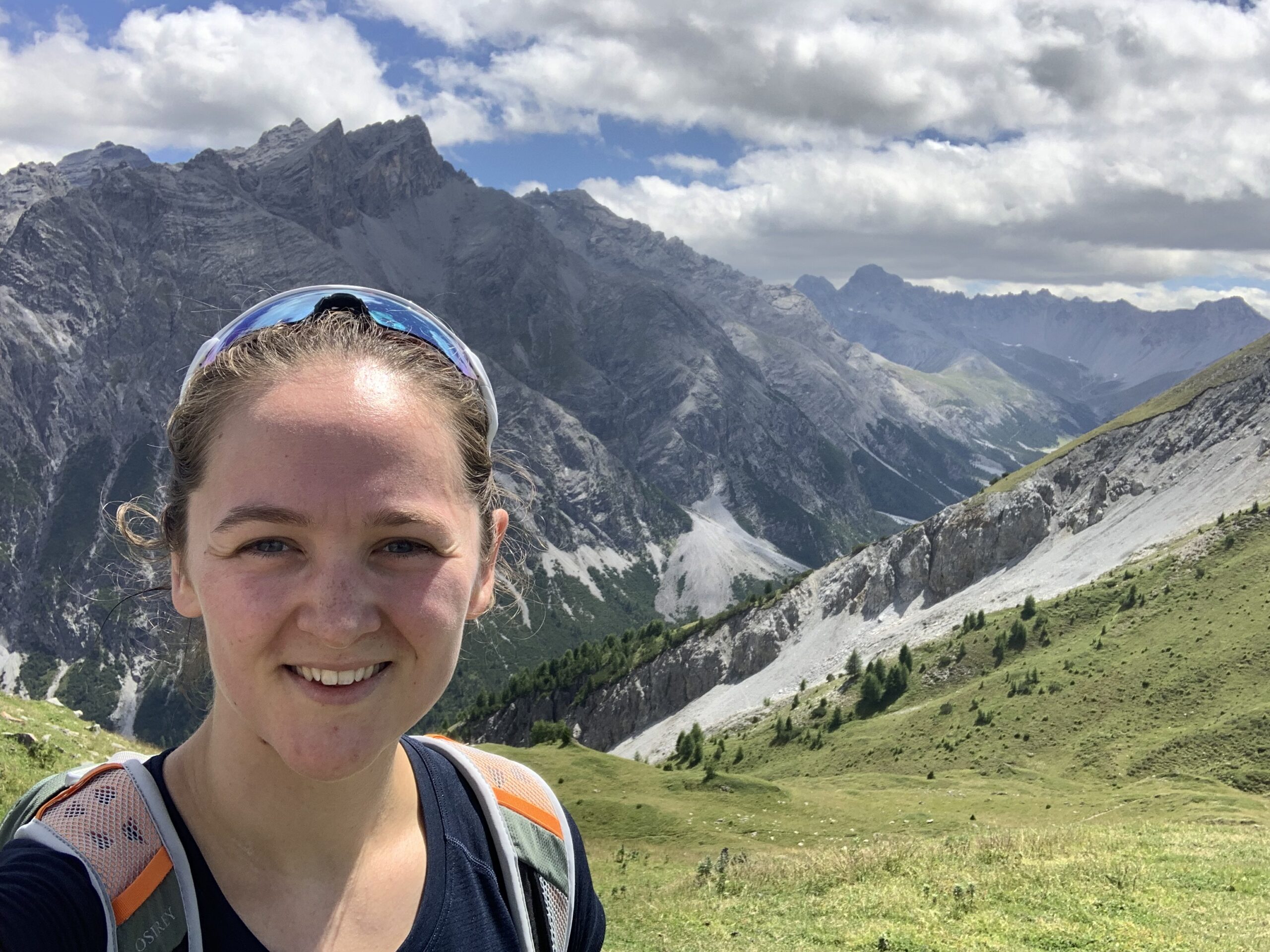
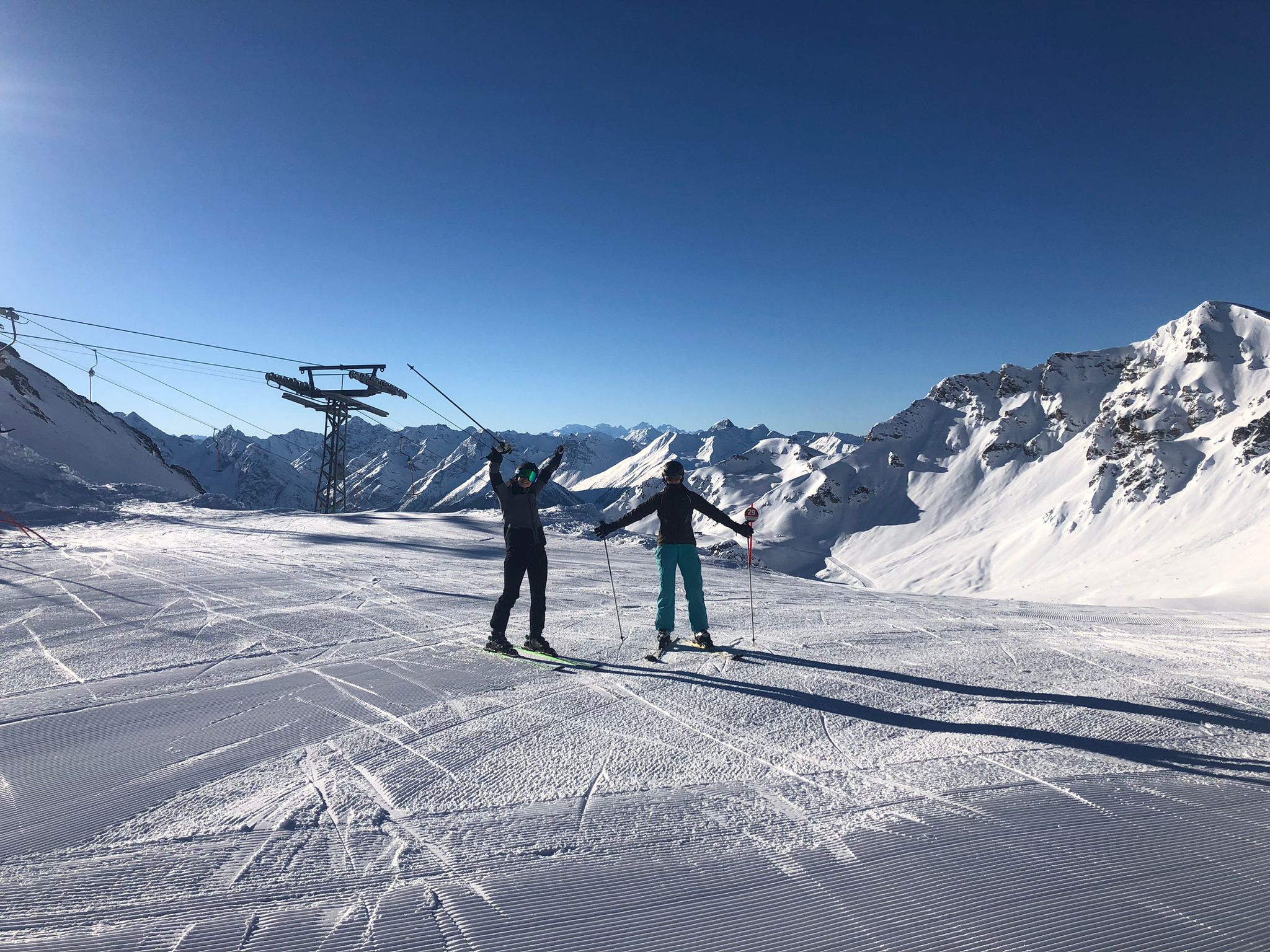
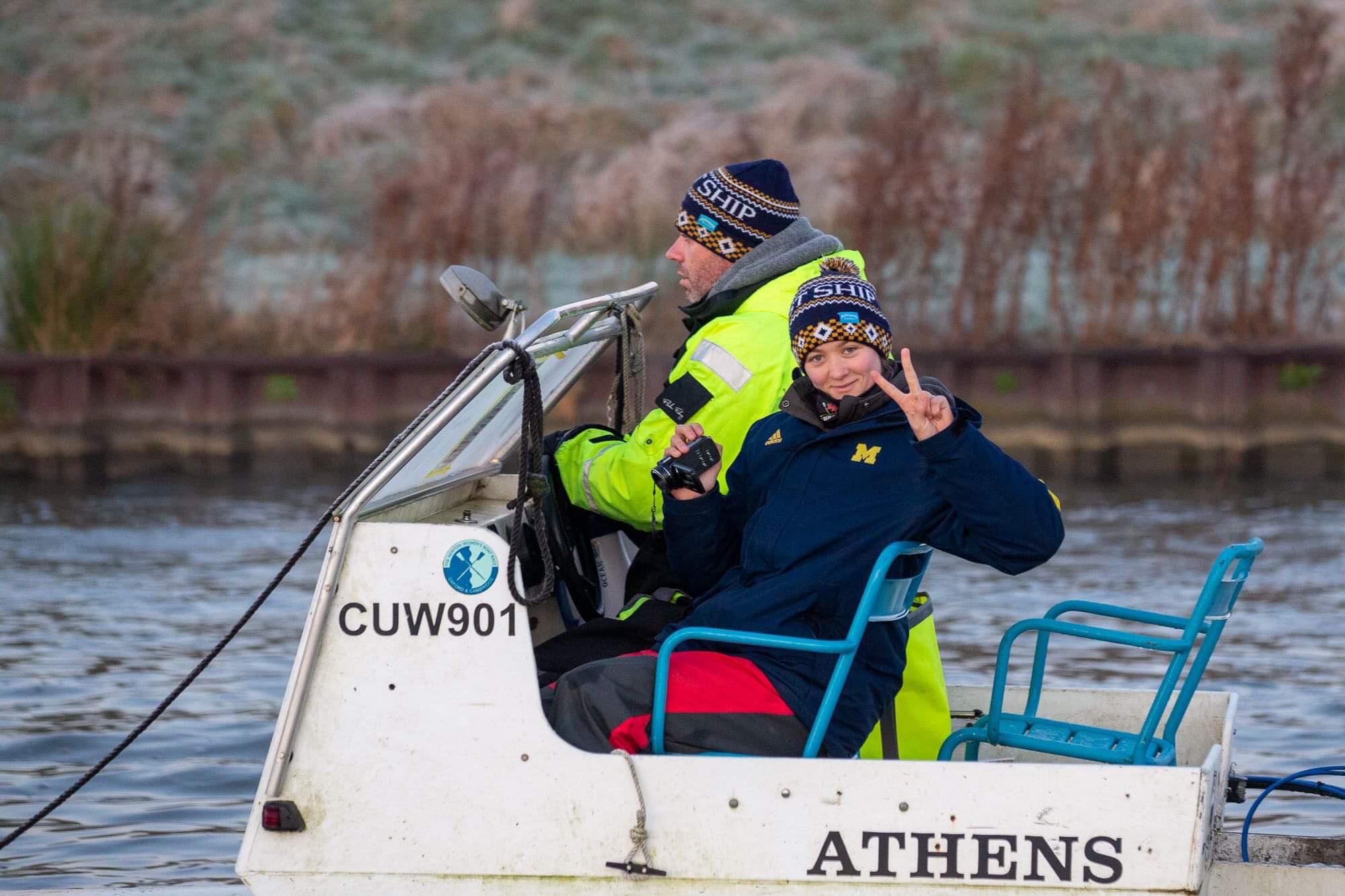
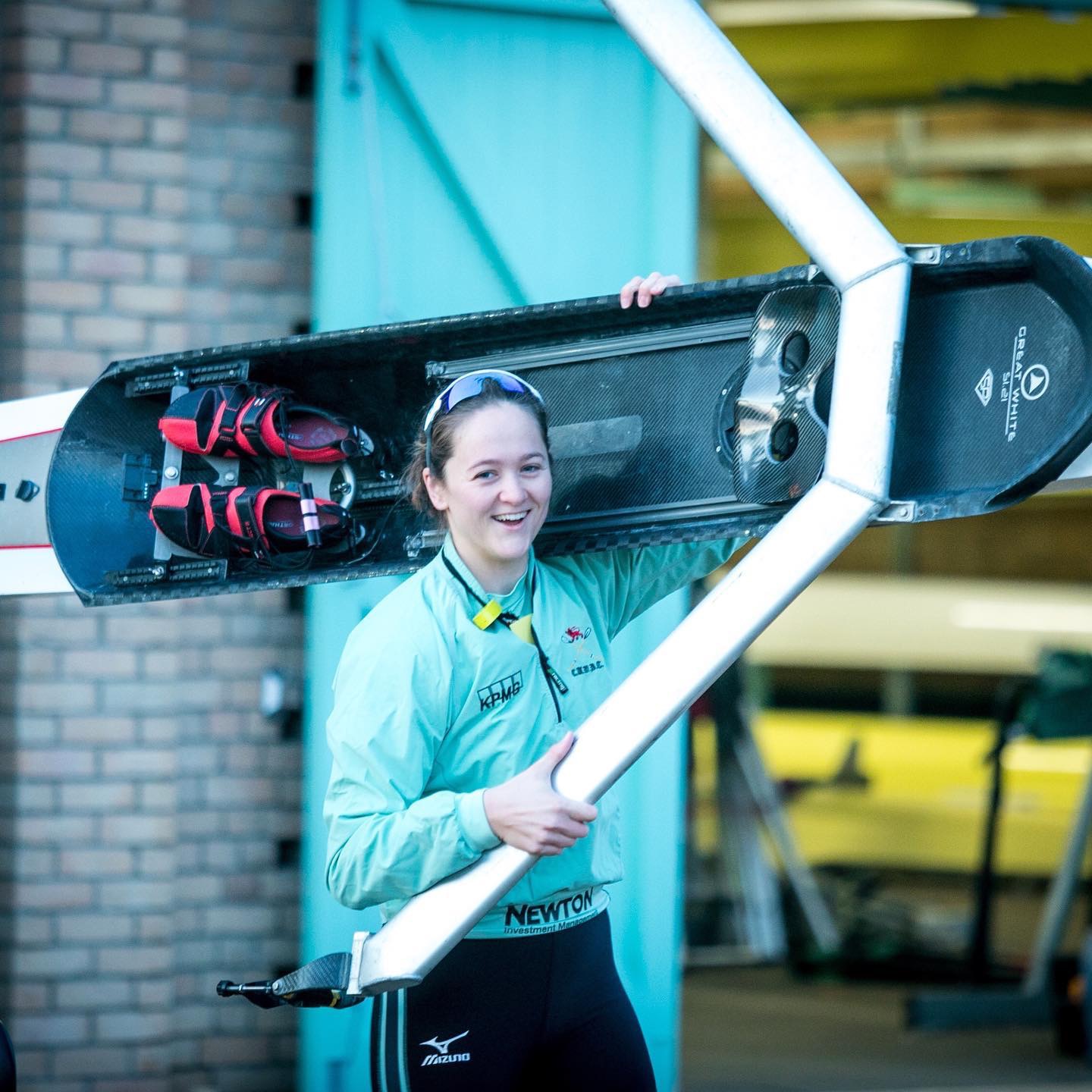
I’m part-researcher part-science communicator. I live in Henley-on-Thames and until recently spent half my day rowing 🚣🏻♀️ and half doing science 🔬. I love hiking, skiing and a good flat white.
-
My pronouns are:
she/her
-
My Work:
I work with citizen science and AI to help accelerate biological image analysis. AI is getting better, but the human eye is still the best tool to identify structures inside cells and tissues. That’s why we need your help with our research!
-
Read more
We ask the public to help us with our research by proofreading (checking and correcting) the outputs from AI models trained to segment (colour in) different structures in 3D images of cells and tissues, taken by powerful electron microscopes.
Humans have amazing pattern-recognition skills. AI is catching up in many areas – computers in self-driving cars can easily identify road hazards, pedestrians, and other cars in real time. But the AI models we have aren’t that good at analysing images taken by electron microscopes.
The bottleneck in our research is how quickly and easily we can process the huge volumes of imaging data coming out of our microscopes. If we can speed up this step, by automating the process using AI, we will be able to analyse much more data, and answer much more complicated biological questions.
-
My Typical Day:
I always start my day with a good coffee, then might lift weights or bike before starting my work. If I am working from home, I’ll be working on my computer for most of the day: coding, analysing data, and interacting with our citizen scientists.
-
Education:
I went to a cathedral school for primary school (they filmed some of Harry Potter there) then to two grammar schools for secondary school and sixth form: Denmark Road in Gloucester, and Pate’s in Cheltenham.
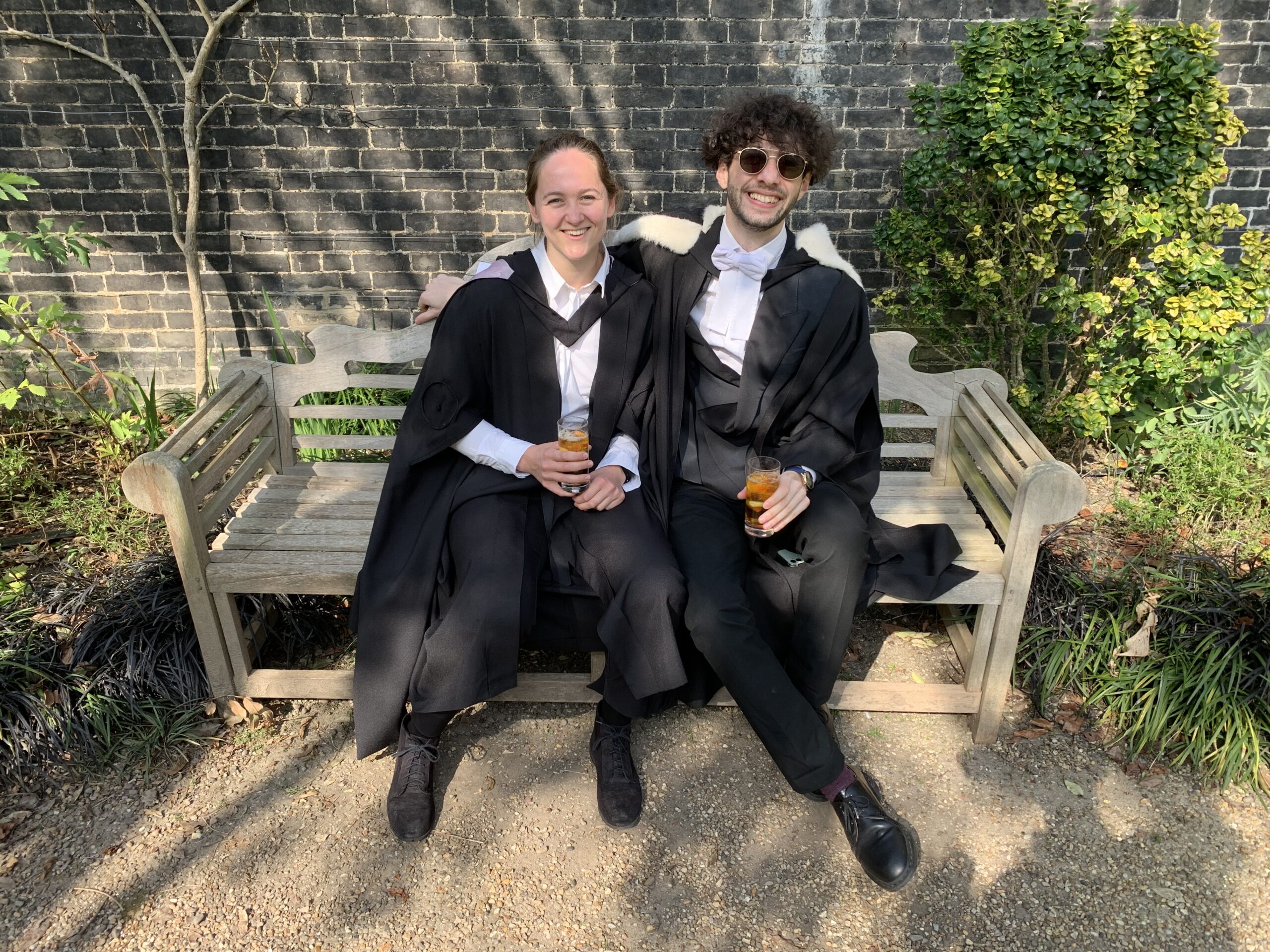
I took a gap year before going to Christ’s College in Cambridge to study Natural Sciences. I took Chemistry, Physics, Materials Science and Maths in my first year, and ended up specialising in Materials Science by the end. My degree had an integrated masters, and my project for that was in medical materials/biomaterials: investigating the drug release from polymers for implants. I then started a PhD in the same research lab as my masters. My PhD was all about collagen and artificial skin grafts (and how we can make them better).
-
Qualifications:
For GCSE I studied the usual core subjects of maths, english, and science. I also took french, german, geography, art and additional maths. We also had to take RS and ICT when I was in school, so it was quite a lot of subjects to cram in. I took my french GCSE in year 10, which meant I got to learn japanese for a year as well.
At A-level I studied maths, further maths, chemistry and physics, alongside a compulsory general studies AS level.
Technically my bachelors and masters degrees are both in “Natural Sciences” – though I finished my degree learning only materials science. My PhD is in “Materials Science and Metallurgy”.
-
Work History:
In my gap year and during my undergraduate degree, I was lucky enough to go to Sydney, Australia for three summer work placements at the Australia’s Nuclear Science and Technology Organisation. At ANSTO I worked in the institute for environmental research. I extracted and measured radioactive isotopes from water and soil samples, and worked with “core” samples from ice, sediment, soil, tree rings, and clam shells. By scanning these cores, you can look back in time and learn how the environment has changed over hundreds (or thousands) of years – a literal geological time capsule.
Towards the end of my PhD I spent a few months working for the Naked Scientists Podcast: a weekly radio show and podcast all about science news, cutting edge research, and other interesting science topics. In my final week, I got to produce a show “A Robotic Reality” all about soft robots, robot-assisted surgery, and autonomous underwater vehicles like Boaty McBoatFace.
When I was at university I spent six years rowing and competing in the Boat Races. After I finished the experiments in my PhD, I spent four years as a “full time athlete” – trying to make the GB rowing team – initially alongside writing my thesis, and later while working part-time in my current job.
-
Current Job:
I work as the community manager for the Science Scribbler citizen science projects that the Franklin run on the Zooniverse.
My current job is split between research, science communication, outreach, and community building. What this really means is that my days are very varied! Some days I’ll be running events for schools, or helping out at science festivals. Others I’ll be doing data analysis, coding, or working with other researchers to design citizen science projects on the Zooniverse. And once a month I livestream citizen science on Twitch… so there’s a lot going on!
-
Employer:
The Rosalind Franklin Institute is a national research institute creating technology for life science discovery and human health.
We bring together scientists and engineers from many different disciplines; integrating biology, chemistry, imaging physics, and applying artificial intelligence to understand and engineer life.
You can find us on the Harwell Science Campus in Oxfordshire.
-
My Interview
-
How would you describe yourself in 3 words?
trying my best
What did you want to be after you left school?
definitely a scientist - but I didn't think I would end up researching what I do now
Were you ever in trouble at school?
I was pretty mean to my teachers when I was bored - but somehow got away with it!
If you weren't doing this job, what would you choose instead?
I'd probably be working with regenerative medicine/biotechnology (closer to what I studied at uni)
Who is your favourite singer or band?
I've been listening to 'I Quit' by Haim pretty much nonstop since it released
What's your favourite food?
Sushi or ramen 🍣 🍜
Tell us a joke.
"not a fan" - windmill
-